Source Tunnel Insulation Rockwool Blanket for Walls Roofs Ceilings
Compare 30 tunnel insulation rockwool blanket options from verified Chinese manufacturers. Buyers can evaluate thermal performance, fire ratings, custom sizes, and density specifications for exterior and interior applications including walls, roofs, and ceilings; compare the available evidence and request quotations based on your requirements.
Key considerations
Products List




Comprehensive Sourcing Guide
Tunnel Insulation Rockwool Blanket Sourcing Guide
Procuring rockwool blankets for tunnel infrastructure requires a rigorous evaluation of thermal stability and fire resistance, as these structures demand materials that can withstand extreme environmental stresses. The core keyword, tunnel insulation rockwool blanket, points to a specialized category of mineral wool products designed for high-temperature protection and acoustic dampening in confined, high-risk environments. Buyers must prioritize products with verified fire protection grades, such as Grade A, to ensure compliance with stringent safety regulations governing underground and enclosed transit systems.
The sourcing landscape for these materials is diverse, with suppliers offering various forms including blankets and rolls, often customized to specific project dimensions. Observed listings indicate a wide range of thicknesses, typically spanning from 30mm to 150mm, allowing for tailored thermal resistance solutions. Understanding the specific density requirements, which can vary from 40kg/m³ to over 100kg/m³, is critical for balancing structural load with insulation efficiency in tunnel linings and ceiling applications.
Product Scope and Observed Listing Signals
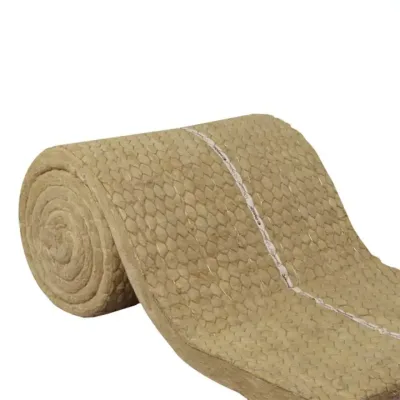
The market for tunnel insulation rockwool blankets presents a broad spectrum of product configurations, primarily characterized by their physical form and material composition. Listings frequently describe the product as a blanket or roll, with appearances ranging from standard yellow to gray finishes, indicating different chemical compositions or surface treatments. The material is predominantly derived from basalt or dolomite, processed into fibers with diameters around 4-7 micrometers, which contributes to the material's durability and acoustic properties. Buyers should note that customization is widely available, allowing for specific size adjustments to fit unique tunnel geometries.
Observed listing signals reveal significant variation in packaging and standard dimensions, reflecting the logistical needs of large-scale construction projects. Common standard sizes include 5000mm x 600mm and 3000mm x 600mm, with packaging options ranging from shrink film to woven bags or palletized units. These variations suggest that buyers must carefully align their procurement specifications with the supplier's standard offerings to minimize customization costs and lead times. The presence of aluminum foil laminations on some products also indicates options for enhanced moisture resistance or reflective thermal barriers, which may be relevant for specific tunnel sections.
Technical Specifications to Verify
When evaluating technical specifications, the highest working temperature and refractoriness are paramount for tunnel applications where fire safety is critical. Suppliers often cite refractoriness levels between 800°C and 1400°C, with some products claiming a highest working temperature of up to 600°C. Buyers must verify these claims against the specific thermal profile of their tunnel environment, ensuring the insulation can maintain integrity under prolonged heat exposure. The acidity coefficient, noted as greater than 1.8 in some listings, is a key indicator of chemical stability and durability, influencing the long-term performance of the insulation in humid or chemically aggressive environments.
Density and thickness are equally critical parameters that dictate the thermal resistance and mechanical strength of the rockwool blanket. Apparent densities typically range from 50kg/m³ to 120kg/m³, with bulk densities extending up to 200kg/m³ in some industrial-grade products. Thicker blankets, such as those between 50mm and 100mm or up to 150mm, provide superior thermal insulation but may impact the internal dimensions of the tunnel. Buyers should also consider the shot content, which should be minimized to ensure uniform fiber structure and consistent performance, as high shot content can compromise the material's acoustic absorption and thermal efficiency.
Compliance and Safety Documentation
Fire protection certification is the most critical compliance document for tunnel insulation, as these structures are subject to rigorous safety standards. Buyers must request evidence of Grade A fire protection classification, which indicates non-combustible performance and resistance to flame spread. Documentation should include test reports from accredited laboratories that verify the material's behavior under fire conditions, including heat release rates and smoke density. Without these verified documents, the risk of regulatory non-compliance and potential liability in the event of an incident is significantly elevated.
Additional safety documentation may include chemical composition reports and environmental compliance certificates, particularly if the project involves strict environmental regulations. The chemical composition, often listed as Al2O3 + SiO2, should be reviewed to ensure the absence of harmful binders or additives that could off-gas in enclosed spaces. Buyers should also verify that the supplier adheres to recognized industry standards, such as ASTM C423 for sound absorption, if acoustic performance is a requirement. Ensuring that all safety data sheets and compliance certificates are up-to-date and directly applicable to the tunnel's specific use case is essential for successful project approval.
Cost Drivers and Commercial Terms
The cost of tunnel insulation rockwool blankets is influenced by several key factors, including material density, thickness, and surface treatments. Higher density products, such as those exceeding 100kg/m³, generally command higher prices due to increased raw material usage and manufacturing complexity. Similarly, thicker blankets and those with specialized surface finishes, like aluminum foil lamination, incur additional processing costs. Buyers should analyze the total cost of ownership, considering that higher-quality materials may offer better long-term performance and reduced maintenance needs, potentially offsetting higher initial procurement costs.
Commercial terms, including minimum order quantities (MOQ) and payment conditions, vary significantly among suppliers. Observed MOQs range from 1 to 5000 units, reflecting the flexibility of some suppliers to accommodate small-scale repairs or large-scale infrastructure projects. Buyers should negotiate terms that align with their project timeline and budget, considering the impact of bulk purchasing on unit prices. Additionally, packaging methods, such as shrink film or palletized units, can affect shipping costs and handling requirements, so these details should be clarified during the commercial negotiation phase to avoid unexpected logistical expenses.
Supplier Qualification and Quality Control
Supplier qualification begins with verifying the origin and manufacturing capabilities of the rockwool producer. Many suppliers are located in industrial hubs such as Maanshan, Anhui, or Shandong, China, regions known for mineral wool production. Buyers should assess the supplier's production capacity and quality control processes to ensure consistent product quality. Requesting samples for independent testing is a crucial step to verify claims regarding density, thickness, and fire resistance before committing to large orders. This due diligence helps mitigate the risk of receiving substandard materials that could compromise the tunnel's safety and performance.
Quality control measures should also include an evaluation of the supplier's packaging and handling practices, as improper storage can degrade the insulation's properties. Products packed in shrink film or woven bags must be protected from moisture and physical damage during transit. Buyers should inquire about the supplier's track record in supplying similar infrastructure projects, as experience in tunnel insulation indicates a deeper understanding of the specific requirements and challenges associated with these applications. Establishing a clear quality assurance protocol, including inspection rights and rejection criteria, is essential for maintaining project integrity.
Long-Term Procurement Checks
Long-term procurement success depends on establishing a robust relationship with suppliers who can provide consistent quality and support. Buyers should implement regular performance reviews to assess the supplier's ability to meet delivery schedules and maintain product specifications over time. Monitoring any changes in material composition or manufacturing processes is vital, as even minor deviations can impact the insulation's performance in the tunnel environment. Building a diversified supplier base can also reduce dependency on a single source, providing greater flexibility in managing supply chain risks and negotiating favorable terms.
Continuous monitoring of industry standards and regulatory changes is another critical aspect of long-term procurement. As safety and environmental regulations evolve, suppliers must adapt their products to remain compliant. Buyers should stay informed about updates to fire protection standards and acoustic requirements to ensure that their insulation solutions remain relevant and effective. Engaging in ongoing dialogue with suppliers about emerging technologies and product improvements can also help buyers stay ahead of industry trends and optimize their tunnel insulation strategies for future projects.
FAQs
What is the highest working temperature for tunnel insulation rockwool blanket?
The highest working temperature is 600°C. This grade A fire protection material offers reliable thermal insulation for tunnel applications. It maintains structural integrity under heat while providing flame retardant and durable performance for exterior and interior walling needs.
Can tunnel insulation rockwool blanket be customized for specific project sizes?
Yes, customization is available for various project requirements. Manufacturers offer customized other sizes and thicknesses ranging from 30mm to 150mm. This flexibility ensures the blanket fits specific tunnel dimensions while maintaining its heat insulation and sound absorption functions effectively.
What density options are available for tunnel insulation rockwool blanket?
Available densities range from 40kg/m3 to 120kg/m3. Specific models like RW-50L offer an apparent density of 50kg/m3. These bulk density options allow buyers to select the appropriate weight for optimal thermal insulation and structural support in tunnel environments.
How is tunnel insulation rockwool blanket typically packed for shipping?
It is typically packed in shrink film or heat shrinking plastic packing. Some suppliers use PE bags, woven bags, or pack on pallets. This secure packaging protects the blanket during transit, ensuring the material arrives in good condition for immediate installation in tunnel projects.
What are the standard dimensions for tunnel insulation rockwool blanket?
Standard dimensions include 5000mm by 600mm or 3000mm by 600mm. Other common sizes are 0.6m by 5m or 0.6m by 4m. These standard sizes facilitate easy handling and installation, while customized lengths are also available for specialized tunnel insulation requirements.
What material is used to manufacture tunnel insulation rockwool blanket?
The primary material is basalt, a natural volcanic rock. Some variants may use dolomite. This mineral wool composition provides excellent fireproof, noise reduction, and heat insulation properties. The high acidity coefficient ensures durability and resistance to chemical degradation in demanding tunnel environments.